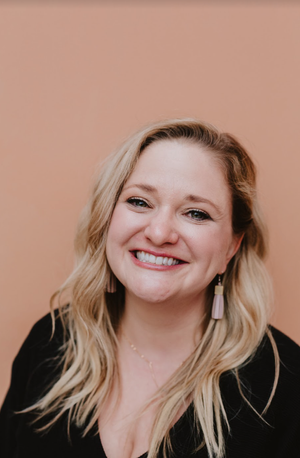
Make it a Party! Podcast: S1 E4 — Mental Health Tools You Can Use to Make Your Life, I Daresay... a Party! Guest Mary Kate Short , LCSW, LSCSW
S1E4: Mental Health Tools You Can Use to Make Your Life, I Daresay... a Party! Guest Mary Kate Short, LCSW, LSCSW
Mary Kate Short, LCSW (MO), LSCSW (KS) is a Licensed Clinical Social worker based in Kansas City, MO. She specializes in work with children and parents, along with couples and families. Mary Kate is highly skilled in helping families navigate difficult behavior and disconnection. She provides individual, couples and family counseling at Heartland Therapy Connection.
Ongoing parent/child workshops focused on strengthening parent/child attachment and increasing positive behaviors in children.
Heartland Therapy Connection
heartlandtherapyconnection.com
Upcoming Workshops with Heartland Therapy Connection:
https://heartlandtherapyconnection.com/workshops/
Next up: August 7, 2026 9am
Their team: https://heartlandtherapyconnection.com/our-team/
More about therapy dogs: https://www.therapydogs.com/
Curious about PCIT (Parent Child Interaction Therapy)? https://www.pcit.org/
More about Adverse Childhood Experiences studies: https://www.cdc.gov/violenceprevention/aces/about.html
Take the ACEs assessment: https://www.acesaware.org/wp-content/uploads/2022/07/ACE-Questionnaire-for-Adults-Identified-English-rev.7.26.22.pdf
Special thanks to our sponsor, Leader One Financial, for their recording space!
Music on this podcast is from the song "Grateful" by the local Kansas City band, The Canterberries. Stream and download their album, Flying Around. Follow them on Instagram for upcoming show dates @the_canterberries 🍓 🫐 🍒 https://www.instagram.com/the_canterberries/
Connect with the host, Haley Grayless, MSOD
https://www.instagram.com/the_haleygrayless
https://www.linkedin.com/in/haleygrayless/
Transcript is below. Please forgive any grammatical errors and misspellings, as this was created by the software system used to record and edit the podcast with minimal edits.
Transcript
Haley: (00:03)
All right, welcome to the Make It a Party Podcast. So, our theme for season one is mental health. And so we have a therapist with us today. This is my friend Mary Kate Short. She is a licensed clinical social worker in Missouri and Kansas. And so I wanted you to be on here today to talk about some of your specialties because I think they're kind of unique. And so we're just gonna chat about some of those things. I wanna just say that she is highly skilled.
Haley: (00:30)
Helping families and couples navigate difficult conversations, behavior, and disconnection. And she provides individuals, couples and families, counseling at Heartland therapy connection. Yeah. Connection's a big thing for you. So how did you decide to get into therapy when you were getting out of like working in hospitals and schools?
Mary Kate: (00:50)
Yeah, so I always I had always worked in the child realm, so like in a children's hospital, in elementary school, and I really liked the work of kind of with people together. So working with families, working with children in their families together, because as a social worker I think so much in the systems, kind of the family system and the person in their environment is one of the biggest ways that we learn as a social worker. And so
Mary Kate: (01:19)
I just wanted to be able to focus more of my time and my efforts on my individual people instead of kind of spreading it so broad. So yeah, then I decided to go into more individual therapy.
Haley: (01:32)
Yeah. Well, so since we've been friends for like 20 years, it's been fun to watch that progression, you know? And like as as like our friends have like had marriages and divorces and children and you know friendship breakups and things like that, like what is some of the stuff that you see as patterns that kind of like come up all the time within your clients and even like I don't know how they relate to people that you love.
Mary Kate: (02:00)
Yeah. the biggest thing I'm seeing right now is just substances and mainly alcohol. really? And how that impacts relationships and family dynamics. Yeah. I think post COVID, you know, we had during COVID, everybody was stuck at home and on lockdown. And so people drank a lot all the time. Kind of got in those habits of drinking alcohol every day. Yeah. and then that is kind of a hard thing to keep track of as far as like some people.
Mary Kate: (02:30)
Drink more. Some people don't. and so I've seen a lot of kind of residuals of that in the ways that that has negatively impacted families and couples.
Haley: (02:38)
So what ages do you see for that? Because I feel like studies have shown that like younger folks, Gen Z and stuff, are not drinking as much, right? Yeah.
Mary Kate: (02:46)
And I think again, I think a lot of that is because of COVID, because they were younger during COVID, whereas I think people that are our age, so late thirties. I mean, I feel like thirties, thirties and up is really the bigger problem. I feel like yeah, people in their twenties are not doing that as much. Interesting. Yeah, a lot of them are using
Haley: (03:02)
Are they using things like THC? Okay. Interesting. So then they come to you and what are they looking for? Like what answers?
Mary Kate: (03:13)
A lot of people don't necessarily realize the impact that it is having. So not saying, my partner has a drinking problem. That's why we're here, but it usually kind of gets uncovered. And even working with kids, and and families, like not just couple couple therapy, but you know, parent and child therapy, that has a pretty big impact. And it it's kind of a sign sometimes of some deeper distress. Yeah. And some bigger struggle.
Haley: (03:16)
Because they're not coming because of sex.
Haley: (03:40)
Interesting. Yeah. What are this like the tips that you would give or like the I don't know processes you would take clients through when you notice that's a problem?
Mary Kate: (03:49)
I think there's a couple different routes. I think whatever you're doing, you have to have people that know what you're going through and that love you and support you. So some people want to go like full sobriety, some people don't. But I think as long as you know in couple therapy, a big thing that we focus on is differentiation. So I'm healthy, you're healthy, we can be healthy together. But if we're not individually healthy, we can't be healthy together. And so
Mary Kate: (04:16)
I always encourage people to just focus on like your own part in it. And that's kind of a big AA thing too is like not being able to control other people. And so that is like again like a big AA thing and that's not where I practice from that AA perspective. But it is definitely like self accountability. absolutely. And you can't obviously like control what your partner does, you can't monitor them. Right. and then for kids, I think
Mary Kate: (04:42)
you just have to s you have to be aware of the way that it's affecting your child. and so getting people to see the impact that it is having 'cause a lot of people don't necessarily want to see that or don't think that that's having an impact.
Haley: (04:56)
Yeah. But well and like that's part of the twelve step process. I mean, like you've known me a long time. My mom's been in recovery for decades at this point. And that's such a big piece of of the puzzle of like admitting that you even have a problem and you're powerless over alcohol or whatever substance. Yeah. And yeah, that takes a lot of humility. And you have to like hit rock bottom, be ready, willing and able.
Mary Kate: (05:18)
And as a parent, like you are most peer most parents are with their children all the time. So your children are with you through the good days, the bad days. You don't get to selectively be a parent. And so that's a big part of it is kids are there and they they see these things and they if you don't address them, then that kind of puts in some pretty unhealthy patterns and and teaches them, we don't talk about this or we don't talk about things that are difficult or you know, that kind of thing. So create a lot of issues.
Haley: (05:47)
So let's kind of talk about like the ACEs sex score there. I think we talked about this on my first guest podcast with Jessica. so ACEs adverse childhood experiences. Can you talk about how alcoholism from parents affects that and what is what is ACE? Yeah.
Mary Kate: (06:03)
These are adverse childhood experiences. So the CDC did a study, I don't know when it is. The 90s, maybe? But it was basically figuring out that people that have a high higher number of adverse childhood experiences have lower worse health outcomes. So there's like a certain cutoff. I think there's 10 or 11 ACEs that we measure. And I think if it's above four, your outcome is like significantly worse. It's like
Haley: (06:29)
But so
Mary Kate: (06:31)
Parental mental illness, parental incarceration, parental substance use, domestic violence, all these, you know, kind of big ticket things. But but you'd be surprised at the number of folks that have high ACEs. So that's something that I do in all my intakes. is ask those questions and kind of figure out what is their ace for and educate them of my clients about that. Yeah. Because it's interesting to see the impact and I work with a pretty higher
Haley: (06:56)
With that house. Yes.
Mary Kate: (07:00)
you know, socioeconomic status clientele just because I am private pay only and so, you know, I think a lot of people think that people that have more resources don't have issues exactly. Everybody has issues and everybody you know everybody goes through stuff.
Haley: (07:18)
Exactly. Well and so like we measure the ACEs and then the like symptoms that then can happen from that are things like autoimmune disorders, right? And then becoming an addict yourself heart disease. Yeah, what else are some
Mary Kate: (07:31)
I mean any negative health outcome, risk of stroke, risk of diabetes, risk of addiction, mental health issues, you know, all of those.
Haley: (07:39)
All of those things. Yeah. What about things that are kind of like neurodivergent things? Like can it affect that like or is that more biological?
Mary Kate: (07:46)
Yeah, I mean I would I think that's one
Haley: (07:48)
So like ADHD, O C D all nurture or they
Mary Kate: (07:51)
Yeah. No, I think it's I mean, I think that this the science shows that ADHD is largely biological. But I think there's definitely an environmental component, which one of the therapies that I do for kids and families is called parent child interaction therapy. Yeah. And that is one of the frontline behavioral treatments for kids with ADHD. and it can really help parents get a better grasp on the behaviors that their kids are exhibiting. Especially kids
Haley: (08:18)
Yeah.
Mary Kate: (08:19)
With ADHD get get kind of a bad rap and they start to think like, I'm a I'm just a bad kid, or I I'm like terrible in school, or I can't focus, and they get a lot of negative attention. Yeah. And so that's what I love about PCIT parent child interaction therapy is that we start with a really positive base. Yeah. and we really build up that warm, solid attachment. And then we get more into the, you know, giving of commands and hope helping kids learn how to follow commands.
Haley: (08:46)
Yeah. So so what's that look like? I mean, isn't it where you have like a headpiece or something? That's the therapist.
Mary Kate: (08:51)
So PCIT is two phases. It's child directed interaction and parent directed. So in the first phase, I'm coaching parents on basically positive parenting skills. So praise, reflect, imitate, describe, enjoy. I'm coaching them on interacting with their child during, we call it special playtime, using those skills. Yeah. And they have certain criteria that they have to meet. And then after they meet those criteria, then we move on to
Mary Kate: (09:19)
the parent directed face. So I'm coaching them throughout this. They have a bug in their ear. Yeah. I'm in a different room with the microphone. I can see what they're doing. I can hear them. I can watch them play with their child. And so it's really cool to get to coach them. And ignoring negative behaviors is a really big thing because you don't realize how my
Haley: (09:36)
From the children. Yeah. So you're telling the parent to not acknowledge that.
Mary Kate: (09:39)
They're engaging in dangerous or destructive behavior, you're literally turning your body away, ignoring it. Because it reinforces. If you are giving their negative behavior attention, then they're gonna keep doing it. Because kids don't care what kind of attention they get, if it's negative or positive.
Haley: (09:45)
Because what's the purpose?
Haley: (09:56)
yeah. We've probably all seen kids do that, even if you're not a parent. Yep. Absolutely. Like they love it if you like laugh at their exact behavior. Exactly right. That's very interesting. I think a lot of parents don't even know this exists. Yes. So how would a parent know that that's something they should consider when a child PC I
Mary Kate: (10:13)
PCIT. I personally think every parent should go through PCIT. Yeah. We did it with my youngest daughter, and that was how I decided I wanted to get certified because I was like, this is incredible. I was doing things that I didn't even know. And I'm again a licensed clinical social worker's worked with children my entire career. Right. And it revolutionized the way that I parented. So it is huge. But I mean we we say that it is evidence-based to work with kids two to seven where you're trained to increase.
Haley: (10:35)
yeah.
Mary Kate: (10:43)
Positive behaviors and reduce negative behaviors.
Haley: (10:45)
very cool. So yeah, why would a parent not do that? I mean, I guess it price prohibitive, is that covered by insurance?
Mary Kate: (10:51)
Insurance. I do not use insurance, so we don't build insurance. Some of them are, yeah. Typically the ones with insurance have a longer wait list. insurance does like PCIT though because it is standardized and it's evidence based and we know that it works. But a lot of providers don't take insurance because insurance is a pain to work.
Haley: (10:54)
Okay. But there may be other
Haley: (11:05)
Yeah.
Haley: (11:10)
yeah, well, and that's another problem for like the whole insurance industry in America, right? Like this is something why would we as anybody who's going to be listening to this podcast will know that I am very pro universal healthcare. And I think that yeah not only like physical health care but mental health care should be free. And anybody should be able to get it when they need it. and providers should be equally and like yeah fairly compensated, you know?
Haley: (11:38)
So that's super interesting. So you even used it with your own daughter.
Mary Kate: (11:41)
I use it all day, every day with my five and almost seven year old. Uhhuh. I use it with all my clients, even just the way that I interact with them when I'm not doing PCIT. It's very evident that
Haley: (11:52)
Yeah. Do you ever see parents get offended or like feel a little prideful when you give them feedback? Okay, what's that look like?
Mary Kate: (11:59)
So it it's it's fun fun and funny to see 'cause people sometimes will when you're coaching them, it they get a little
Haley: (12:09)
Sensitive. Yeah. But it's like, well, this is my child, I know best. Right.
Mary Kate: (12:12)
But again in PCAT we do everything in a really positive way. So I'm not going to say to a parent, no, don't do that. I'm going to just ignore the negative and provide positive praise for the positive thing that they're doing. So when they do a you know, give their kid a hug, great job showing affection during special playtime. Yeah. Yeah. I'm not gonna say like don't tell them that or don't do that. Like it's very much it's very positive.
Haley: (12:30)
Yeah.
Haley: (12:37)
Focus. Okay. Are there like debriefs afterward where you wouldn't address any of that?
Mary Kate: (12:41)
Sometimes I mean one of the big things is not asking questions or giving commands during our first phase of treatment. Gotcha. And so that's a big thing. But again, we make it lighthearted. We make it like, questions, that's the hardest part. Like we do it in a way that people aren't shame. It's not yeah, it's not shame. Okay. That's good. Yeah, I think when parent when parents hear that I did this with my child, yeah. And that she was a total hot mess. and that that's what we did. Yeah, that's it's good for them.
Haley: (13:06)
Good. Okay. That's very interesting. You're doing really hard.
Mary Kate: (13:09)
Mm-hmm. Even as a person that has a lot of resources to be very hard. Very hard. So
Haley: (13:13)
Yeah.
Haley: (13:17)
Yeah. Okay, so people would know that that it's a good option for them if their kid is between two and seven. Yeah.
Mary Kate: (13:23)
There's also an adaptation for older kiddos. We can go up.
Haley: (13:26)
Okay, wow. So are the phases the same with older children? Okay, interesting. Yeah.
Mary Kate: (13:32)
can do things a little differently with some of the parent directed stuff. Okay. And the toys are different.
Haley: (13:38)
well, yeah, that would make sense. Yeah. So do you have a whole different room or just like
Mary Kate: (13:41)
No, no, I have one room, like my office is one big we've been to my office. it's a big just like a big room. I have walls, like movable walls that I'll close. But then when I do the coaching and go down the hall to a different room.
Haley: (13:57)
gotcha. So yeah.
Mary Kate: (13:59)
We close it off so that it's just a couple toys in that part of the room so that it's not overwhelming with like all these different toys and then bounce around. Okay. So
Haley: (14:08)
Yeah. Yeah. What does it look like for parents who have kids who are older than seven or eleven and they would like a resource like this? Yeah.
Mary Kate: (14:17)
So I do I do a lot of that just with I would say like ten, eleven, twelve. and a lot of that starts with just me meeting with the kiddo and kind of establishing a rapport and figuring out kind of what's going on. But I do a lot of parent coaching in that way. It's just not as standardized, I would say. I also do workshops called care workshops, okay. Child adult relationship enhancement workshops. Okay. and those are four hour workshops and
Mary Kate: (14:45)
you get kind of some of the skills that I teach in PCIT just adapted for like kind of a more broad clientele. So like different ages of kids and it's not as specific or intense as PCIT. So it's also a good option for folks that can't afford, you know, individual the 12 to 16 weeks of PCIT. but it's great. I love the care workshops. Yeah.
Haley: (15:06)
So people would just like go to heartland therapy connection.com to if you live in Kansas City area to look into that resource or look into your own community resources. That's very interesting. Another thing that I love that you do is you have a dog who's therapy trained. His name's Miles. So tell us how do you use him? What does he do?
Mary Kate: (15:25)
He's so fun. So he is almost two years old. He is the mini labberdoodle. Labberdoodles are kind of crazy normally. He is not crazy. When he comes to the office, he is in business mode. So he has a little thing. He has a business mode and a home mode and they are really different. But he's been super chill ever since we got him and that was the purpose. That's why we got him because I wanted to be a therapy dog. So he comes to the office with me every day. He has a little bed in the corner of my office and he goes there. When clients come in, he stays there until I until he, you know.
Mary Kate: (15:55)
can get off and I tell him and he'll just kinda wander around the room, he'll go over, he'll put his little head on the side of things and like want people to pet him and and he he's very attuned with people. Like if people are upset he can he'll go to them and and they'll pet him. no, he stays on the ground. He doesn't get like on the couch. Uh-huh. I do have clients that will get on the floor with him. But it helps I have a couple of clients that use him for kind of a grounding strategy. So they have a tendency
Haley: (16:10)
Yeah. Would they like it in their lap?
Mary Kate: (16:24)
of disassociation. if you're penning and touching him, then that kind of keeps us grounded in the moment. So we don't dis
Haley: (16:30)
Associate. It's almost like a fidget toy, but you're petting a dog or like rubbing his ears or something. Is it a certain demographic that tends to like him more? Yeah. It's not like just younger folks or something like that.
Mary Kate: (16:42)
It's really everybody. I mean I feel like I have a couple folks that aren't really dog folks. Just they're just like not that. And he I don't Yeah, or if he gets up, I just like tell him I say leave it and he doesn't even deliver to them. He's very in tune with me too, so sometimes I don't really even have to like say that much. Yeah, he knows like what I want him to do. yeah.
Haley: (16:46)
so they've probably heard.
Haley: (16:49)
Then he stays in his bed, maybe.
Haley: (17:04)
Uh-huh. That's so interesting because I have done therapy before and like I would have loved to have a dog in the room, a sweet little puppy. Yeah. or my own dog, I guess.
Mary Kate: (17:13)
Yeah. Yeah, it's pretty fun. Yeah. Kids love him, obviously. Uh-huh.
Haley: (17:18)
And he's so gentle, so it's yeah, not
Mary Kate: (17:20)
Yeah, no, he's not he's like the most harmless yeah dog in the world. So he's been through a lot of training and certification and stuff.
Haley: (17:29)
Interesting. Okay, so then what does it look like for like couples and other family therapy, not just with children?
Mary Kate: (17:35)
Yeah, so I'm trained in the Gottman method for couples therapy and then the developmental model. Okay. So I pull from both of those. Gottman Institute has done a ton of research on couples therapy for a really long time. So they have tons of good resources, right? Handouts. and then the developmental model, I'm like 75% of the way through a year-long training program with them. but that's really the differentiation that I talked about is is kind of more what they focus on.
Haley: (18:04)
So basically when you say differentiation, not being codependent, or you're depend which a lot of people think means you just have to like be connected with one person. But really codependence is more I am responsible for my own emotions and my emotions are not dependent on anyone else's, right? Right. I can control myself.
Mary Kate: (18:22)
Right. And it's like being a healthy, happy, functional person. Mm-hmm. Independent of that other person. And so that way if the other person does something that affects you, you're gonna be able to communicate more effectively and manage your own emotions because you're, you know, whole and competent in yourself. So I think that's like one of the biggest things and just and helping people communicate through difficult conversations. Yeah. people it's just it's a hard thing.
Haley: (18:28)
First yeah.
Mary Kate: (18:51)
And a lot of folks are not trained in how to communicate. Right, exactly. and so and just for people to know that they have the space and they have the set time, I feel like it's half the battle because they know, okay, like we're gonna go and talk, we'll be with Mary Kate, like I will help them, you know, kind of moderate through some things and give them tools in the moment. And I think that even just having the space there is really
Haley: (19:18)
Like dedicated intentional time to address issues. Yeah. Yeah. Yeah. A lot of people don't do that at all, especially in their marriages. And then we see marriages fall apart where people drift apart and it's so sad because they're it was so preventable. Yeah, I think a lot.
Mary Kate: (19:32)
And again, a lot of it I feel like just comes back to communication and being able to talk about hard things, being able to talk about sex, being able to talk about things that are not super comfortable. But having the space, it's really just it's very, very impactful. So
Haley: (19:38)
Like, yeah.
Haley: (19:47)
Well and what like a lot of people have heard from the Gottman method is the four horsemen, right? And so and John Gottman and his wife saw that research and he claims and you know, states that he can what pr predict a couple if they'll get divorced by ninety percent or
Mary Kate: (20:05)
So it's basically the idea that if they have contempt for one another, yeah. So that's essentially thinking that you're like morally superior or like on a higher level than your partner.
Haley: (20:15)
So it would look like what? Talking down to the other person?
Mary Kate: (20:18)
Yeah, and really like blaming thinking that you're kind of above reproach and above like blame of anything. And I I have seen that a lot and I agree. I mean, it's a really, really big indicator. I don't I mean, it's it's
Haley: (20:33)
And if they're not getting divorced, they at least have an incredibly unhealthy relationship. Yeah. And maybe they should because that's sort of abusive, right? That's like I mean to treat your partner like that is emotional abuse. Yeah. Yeah. Yeah. speaking of emotional abuse, one tool I know that you're very passionate about is the power and control wheel control wheel. Tell us about that.
Mary Kate: (20:52)
So that is a domestic violence tool. I have no idea where it came from. I would have to look. but it's great because it kind of it's a wheel and it shows us all the different types of abuse that can occur and that can be yeah, emotional abuse, physical abuse, financial abuse, all these different types of abuse that we wouldn't necessarily think of.
Haley: (21:13)
Because a lot of times people think it's like, is one person hitting the other or sexually abusing the other one? But there's so much more.
Mary Kate: (21:20)
Yeah, yeah.
Haley: (21:23)
Yeah, we'll we'll cut this and then all of this we'll put in the show notes too. Like these resources. So you can just send me whatever links that you want and we'll we'll get that on the website so people can look it up.
Mary Kate: (21:36)
It was in my office. I would have this printout right next to me. Okay, so yeah, so it's yeah, coercion and threats. So making a threat to hurt them, hurt someone else, hurt animals is a big one.
Haley: (21:50)
might be sound like a husband through a wife, Well, I'm gonna kick your cat's ass or something.
Mary Kate: (21:55)
Yep. intimidation, so like staring at her in a staring at them in a threatening way. you know, it could be like something as small as that, say snatching her things, destroy spatching their things, destroying poverty, abusing pets would be kind of a part of that intimidation. Emotional abuse, putting them down, isolation, controlling what they do, minimizing, denying, blaming, so making light of abuse. So kind of some of that buzzword gaslighting stuff, but it's a real thing.
Haley: (22:22)
Yeah. And gaslighting means what? In your definition? Basically.
Mary Kate: (22:26)
like not taking things seriously and saying that like
Mary Kate: (22:35)
They're the one that actually did something wrong.
Haley: (22:39)
Almost like invalidating someone's lived experience. Yes.
Mary Kate: (22:42)
Like saying like making them feel crazy, making them feel like well that's not
Haley: (22:46)
But that's not what happened when it's absolutely or at least how that person felt. Yeah. Right.
Mary Kate: (22:50)
Yep, are saying that they caused the bad thing to happen. the other one, yeah, using children, that's a really big one.
Haley: (22:52)
But yeah.
Haley: (22:57)
Like saying I'm gonna take the kids. Yeah. Or like they don't love
Mary Kate: (22:59)
Like using the children to relay messages. yeah. economic abuse, so financial, you know, control, that kind of stuff.
Haley: (23:10)
So that was that's probably ex especially threatening when a a parent or a a partner stays home with children or like they're stay home parents because they're not making money necessarily, right? And then I mean that's incredibly abusive. Like you're controlling their livelihood. Yeah.
Mary Kate: (23:25)
So that's a big thing with couples is just kind of identifying some of those patterns and speaking them, you know, speaking them to light in a way that isn't gonna just cause the perpetrator to turn the other man run. Right. But if you know, if relationships are dangerous, then I have a a duty to not to harm. And so if if relationships are truly dangerous then I can't continue to treat couples because that's me endorsing the relationships. Yeah. And that's a really hard thing to do, but
Haley: (23:52)
So how would you advise somebody if they're listening to this and they think, well, my God, those things you just named from the power and control wheel, that's happening to me.
Mary Kate: (23:59)
Yeah, I would say reach out to your local domestic violence agency. I would no so t the most dangerous time for victims or for survivors is when they're leaving the relationship. Okay. So we need to be really strategic about how we do that. So I would reach out to your local agency. every every community has one. Yeah. So then work with an advocate, because again, leaving is the most dangerous time, and so we don't want to do that.
Haley: (24:02)
And get out of the house.
Haley: (24:20)
And we'll put those in the show notes for Kansas.
Mary Kate: (24:27)
In a way that's gonna increase. Yeah.
Haley: (24:29)
Well, that's one thing I see sometimes on just bring up TikTok. She loves it when I bring up TikTok because she's not as chronically online as I am. But I see people like usually a woman address their partner cheating or something and they'll like have their phone get in and they're like recording the conversation or they are storming out or they're addressing it and like yelling at usually it's a man. And I always get scared and like want to comment like you like should instead of addressing it with him, this is when he could attack you and kill you.
Haley: (24:58)
Like that's to me, I think the don't address I don't know, find a safer way to address it. Yeah. And then get out. Like you don't even need to leave before before you address it with him 'cause what if he has a
Mary Kate: (25:11)
Or there are a lot of indicators that tell us how lethal a situation is. Okay, yeah. and so in those situations my hope would be that the person addressing the you know, violence or the cheating or whatever could work with a professional and could kind of use some tools and resources that are available because there's lots of lots of good help out there. But we have to be smart in the way we're gonna
Haley: (25:35)
Yeah, and it takes, isn't it, an average of seven times for somebody to leave to keep going back and for them to stay gone from a relationship. Now it'd be especially hard when you have pets and especially if the person is threatening your pet. But that's why it's so great when I I think New House and Rose Brook Center both accept pets in their shelters, which wasn't the case for a long time. So it's amazing that those I remember when I was working at a nonprofit that funded those organizations, that was a big I wouldn't say selling point, but a positive
Mary Kate: (26:05)
yeah.
Haley: (26:06)
Incredibly 'cause I wouldn't even leave my dog behind. Everybody knows how much I love my dog.
Mary Kate: (26:11)
Obvious like the when places like that, yes, of course they're gonna let children come because they're children. Right. But I think dogs and pets are so important. And so to open that up with an option is so great.
Haley: (26:22)
Yeah. Well I mean I've heard lots of stories of one partner like literally killing a dog. We just heard was it wasn't it Christy Gnome shot a puppy or something to impress Donald Trump? I mean, that kind of thing is absolutely unacceptable. My dad would say unacceptable. and so I mean that's completely un un Well, yeah, we're covering some really important topics but we're gonna make it a party, you know?
Mary Kate: (26:42)
Tolerable.
Mary Kate: (26:50)
I'm making a party.
Haley: (26:50)
Gotta make it party. So in doing that, what's like some maybe your your top three like mental health tips for anybody who's listening? What things that they can do, resources they should check out.
Mary Kate: (27:02)
Yeah. I think it depends on where you're at in life. I think if you have
Haley: (27:11)
Okay, we'll edit that one. Yeah. Or we can think about it a little bit and we will we can talk a little bit about what we could talk about enneagram and you switching from one to six. Are you okay with that?
Mary Kate: (27:12)
Yeah.
Mary Kate: (27:23)
No, I don't we can talk about it.
Haley: (27:27)
That's okay, you don't sound like an expert. This is more of like a personal thing. And so then on a personal note, I know that we were just on our annual girls' trip. We take a Galantine's trip every February. And so we were in New Orleans just a few weeks ago. Yes. And or a couple of weeks ago. And it came up that Mary Kate's Enneagram type, she decided is is actually a six, the loyalist. When we thought for years that you were a one, a perfectionist or reformer. So people are listening to this and they're what the heck is this Enneagram? It's a you know personality and like motivation.
Haley: (27:57)
tool with nine main types and we'll talk about it probably in a lot of episodes so definitely take an Enneagram assessment if you haven't already listened to it. But what I like thought is so interesting is I thought of you as such a like pinnacle of a one like a perfectionist or a reformer. So talk to me about how you thought you what I think your therapist figured out that my gosh, maybe I'm not a one, I'm actually a six. Yeah. And the difference. Yeah
Mary Kate: (28:24)
Yeah, I always thought there were a lot of things that align with a one. And I'm like a perfectionist in some ways, but then in other ways I'm not. And so I never felt like and I am a reformer by nature, like I'm a social worker. Yeah. I am thinking about advocating. I am doing all of those things. But there was something about the one that I just didn't quite
Haley: (28:48)
No, no,
Mary Kate: (28:48)
I've I just again that perfectionist because my motivation is not like I like justice and that's important to me, but like there was just something that never quite fit. And so I think then once I got more in touch with my anxiety and realized like that's actually what drives a lot of things. Yeah, yeah. And I realized, no, I'm actually a six, which is kind of the anxious one. Yeah. and so like seeing things from that perspective has been
Haley: (28:53)
To be perfect and right.
Haley: (29:17)
Yeah, they're known for kind of thinking in a worst case scenario, my thought.
Mary Kate: (29:21)
Always where my mind goes, always thinking like, what's the po worst possible thing that could happen? And I've learned like to take that step back a little bit and not like catastrophize. Right. but yeah, I think for me that's always been kind of the way that I I think once I had kids is when I really realized a lot of these things about myself. I was like, actually no, I am a totally worst case scenario. Like
Haley: (29:25)
Yeah.
Haley: (29:39)
Yeah. Yeah. Yeah.
Haley: (29:43)
And so my brain does not go there. Yeah. And not necessarily that I'm always like best case scenario, but I'm like, things will work themselves out. It's funny because our Galantine's trip last year in 2025, we went to Isla Mujeres, which is an island off of like Cancun, and it was so funny how like a couple of people in our group were particularly anxious. You were about being on an island, which is a hop, skip, and a jump from the mainland. So what if we got trapped?
Mary Kate: (30:04)
Yes, I was a hot mask.
Haley: (30:12)
Right. What if we got trapped? What if there was a hurricane or something? And I was like, but what if there's not? And but that was funny. And then we had another friend who I also thought that this particular friend, I won't say their name, but I thought originally that she was six and she identifies as a two, the helper or the giver. And this is why I think that with Enneagram, it's cool to kind of look at it in tri-types. So if anybody's listening to this, there'd be you would have kind of like a primary type or a primary, a secondary, and a tertiary type in each of the three intrinsic triads.
Haley: (30:40)
And so I think that you have probably have one in your tri-type. Yeah, for sure. and for her she probably has six in her tri-type. But she literally bought like a old man sticker type of disguise on Amazon. Mask. Like a mask, but it was like a like a sticky mustache and sticky eyebrows and something else, so that she could put it on in the Cancun airport because she was so nervous about being in Mexico.
Mary Kate: (31:09)
Getting taken.
Haley: (31:10)
She is a six foot tall at the time 38-year-old woman. Not that we're not desirable, but I don't think that for like human trafficking, that's like the top choice of being such a tall, strong woman. And also, so her husband kind of talked her out of it because he said, Well, what if people think that maybe you are trans, which hey, I'm very pro-trans. and that is something that I but I think he was like, that might be a bigger problem in Mexico.
Mary Kate: (31:36)
And then you're like at a higher risk of violence being a trans person.
Haley: (31:40)
Yes, a higher risk than being a tall older male. You know? it's so funny. So we talked for her.
Mary Kate: (31:47)
Yeah. Yes. No, I wouldn't
Haley: (31:49)
No, I can't see you doing that.
Mary Kate: (31:51)
Yeah, I definitely see like I think again once you have kids, it's like, if I die, like that's their mom. Yeah. Then they would grow up without a mother. Which again is like worst case scenario. Yeah, I think again, once I had kids, I realized and like being hormonal in pregnancy, I had no control over my anxiety. Yeah. And that was when I was like
Haley: (32:11)
this is the problem. Yeah. Yeah. another thing that speaking of that and like saying like, okay, it's a problem, I think you said your doctor or your therapist said that something and you mentioned this on our gallantance trip this year, that medicine has no morality. Can you elaborate on that?
Mary Kate: (32:28)
Yes. so yeah, my doctor and I were talking about what were we talking about? I think it's GLP ones and and how they kind of have like a bad rap and people think that it's just like an easy button or whatever. Yeah, to lose weight. Yeah, but it's really not. Like if it's helping people be healthier then like that's that's what we're going for. Right. Yeah. and so there's no negative
Haley: (32:44)
It's like cheating.
Mary Kate: (32:59)
side effects. There's no reason not, you know, to take it. And so I was talking with her about it and she said to me, yeah, medication does not have morality. This medicine is not right or wrong. And it was like, this is really interesting. And so I think when you're thinking about that from like an anxiety or depression perspective too, medicine can be a super helpful tool and it does make morality. It's not right or wrong. Each person gets to make their own decisions. and I think that was it's a really good perspective to look at.
Mary Kate: (33:28)
Things from Yeah.
Haley: (33:29)
Think there's so many people, including myself, like who I mean, I thought that about GLP ones, I thought that about anxiety or depre depression medication. And I had to get on like a very light dose of an antidepressant, well butrin, it was great, right after January sixth, twenty twenty.
Haley: (33:48)
One, yeah, it was right when it was when Biden was inaugurated and there was the insurrection, as people might remember. And the insurrection was so upsetting to me, and it still is, like I can't believe anybody could support a president who encouraged that, or you know, even a politician who who supported that. And so I mean it was so upsetting when I saw that man with like his feet on Nancy Pelosi's desk, just like the extreme disrespect. And I remember sitting on my couch like shaking.
Haley: (34:14)
And maybe even crying and then like hearing AOC talk about how she was hiding in like a closet in someone else's office thinking she was going to get killed because they were looking for her to kill her. And she's thought, Okay, well I'm never gonna be a mom. I'm never going to see my old age because I think I'm gonna get murdered today. Like that's that was so deeply upsetting to me that just a little bit of medication was great and I had to let go of thinking like,
Haley: (34:39)
you know, there's a stipulation to this. But there is a stipulation because health insurance companies hold it against customers when they have like a you know pre existing condition. And that's something that especially as like a small business owner, I don't have health insurance because I can't find something I find to be ethical and affordable. Yeah. And I have certain, you know, health things like asthma and I I took that medicine for a while. I don't know how that would be held against me, right? To be insured.
Mary Kate: (35:05)
Yeah. Well and like with life insurance too, I don't know. I'm not sure with like asthma and anxiety if that would affect your like ability to get a policy for life insurance. Yeah. but that would also be something to
Haley: (35:12)
Yeah.
Haley: (35:21)
But yeah, I'm fine with no coffin, you know, just throw me in the ground wet, wet mud. no, I w well, I don't know, give away all my good organs to anybody who wants them. And I mean put those
Mary Kate: (35:27)
You want to be cremated.
Mary Kate: (35:34)
Yeah, that's interactive.
Haley: (35:36)
No, I just understand.
Mary Kate: (35:38)
You need to make sure that this is written somewhere so good.
Haley: (35:40)
Or write it. And it's gonna be on the podcast.
Mary Kate: (35:42)
So yeah, here we go. Morgan Donor. And maybe queen.
Haley: (35:47)
Meet them, you know. Yeah. well this has been awesome. I would love to hear if you do have like maybe three tips for connecting with your people.
Mary Kate: (35:56)
Like connecting with like yeah the folks around you. Yeah, the folks around you. Okay, yeah. Yeah. I mean I think get outside. Now the weather's yes great. Leave your house. You can't just be on your screen on a video game all day. Those in person connections, like when you touch someone else, you get positive chemicals to your brain. You cannot get those from a screen. Right.
Haley: (36:04)
Like you have to leave your house to make it happen.
Haley: (36:20)
Yeah. And we don't understand there's like nights when you need to do that, but connecting with people in person is totally
Mary Kate: (36:28)
Yeah. Get outside, go to a coffee shop, smile at a stranger, like just any bit of connection is a good step.
Haley: (36:34)
And take the initiative, right? A lot of like friends don't do that with
Mary Kate: (36:37)
other yeah yeah so yeah get outside call your loved one call somebody that you know yeah that you love even if it's like feels awkward because you haven't talked to them in a while that's okay but I think yeah there's those physical in-person connections are important and even if you go eat at a restaurant by yourself get out of the house
Haley: (36:58)
Yeah. Uhhuh. Absolutely. Because even if you're not talking to anybody, you are around other people. Maybe somebody will talk to you. yeah, we gotta get out of our homes. And if you have like a dog, bring your dog with you.
Mary Kate: (37:10)
Get a pet. Get a dog. Yeah. Go to the dog park. Mm-hmm. It's a great place.
Haley: (37:15)
Yeah, absolutely. Well thank you so much for being on Make It a Party. I hope that you make it a party this weekend. We're recording on a Friday. And how can people get in touch with you or look up any of your resources?
Mary Kate: (37:28)
Yeah, so Heartland Therapy Connection is my practice that I'm at. There's seven therapists there, I think. We have a wide variety of therapists. So even if I'm not a good fit for you, we have tons of folks that are great fits for all kinds of people. yeah, Heartland Therapy Connection dot com. Go there, give us a call. We'd love to help.